
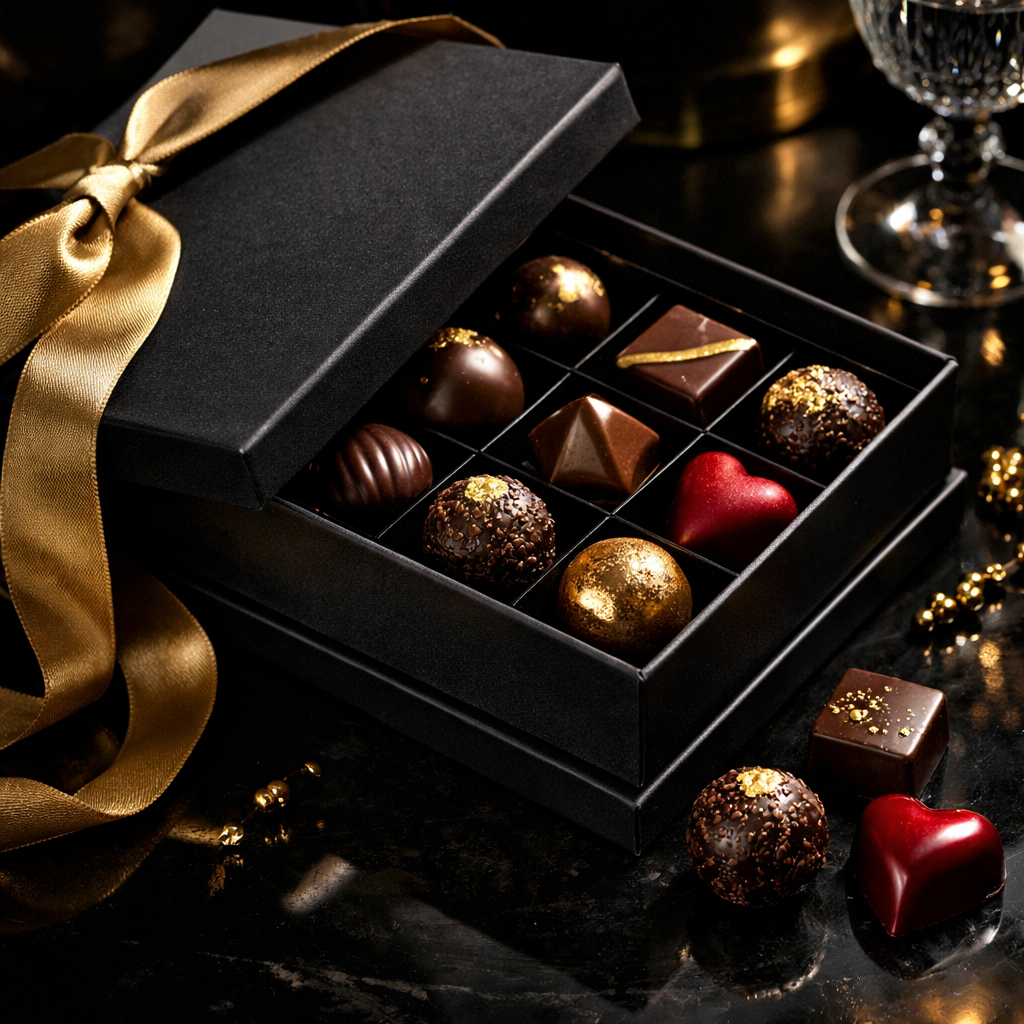
By Despina Manos
Most people think chocolate is made by roasting cacao beans and turning them into bars. But the truth — the part almost nobody knows — is this:
Chocolate is fermented.
Not a little. Not accidentally. Not “sort of.” It is intentionally, deeply, chemically fermented — and that fermentation is what creates real chocolate flavor.
Here’s how it actually works:
- Cacao beans come out of the pod covered in white fruit pulp
They’re not brown. They don’t taste like chocolate. They’re bitter and slimy.
- Farmers pile the beans into boxes or baskets and cover them with leaves
This starts a natural fermentation — just like wine, sourdough, yogurt, kimchi, or cheese.
- Over 3–7 days, the beans heat up and ferment
This is where the magic happens. Fermentation creates the flavor precursors that become:
- fruity notes
- floral notes
- nutty notes
- earthy notes
- deep chocolate flavor
If fermentation is done well, the chocolate tastes complex. If it’s done badly — or skipped — the chocolate tastes flat and needs sugar to cover it.
- THEN the beans are dried, roasted, ground, and turned into chocolate
Fermentation is the soul. Roasting is the personality. Everything else is just shaping.
WHY REAL CHOCOLATE IS EXPENSIVE
Because real chocolate makers:
- use high‑quality cacao from specific regions
- pay farmers to ferment correctly
- roast in small batches
- keep the cocoa butter (the expensive part)
- don’t drown it in sugar
- don’t add cheap oils
- don’t stabilize it for a 2‑year shelf life
Real chocolate is like wine — the region, the bean, the fermentation, the roast… it all matters.
That’s why chocolate from:
- Switzerland
- Belgium
- France
- Italy
- Ecuador
- Venezuela
- Madagascar
- Peru
costs more. It’s not the wrapper. It’s the craft.
NOW LOOK AT GHIRARDELLI & GODIVA
This is where the “luxury illusion” comes in.
These two aren’t selling real European chocolate. They’re selling the idea of European chocolate.
Ghirardelli
- Sounds Italian
- Looks Italian
- Markets itself like Florence
- Is American
- Owned by Lindt
- Produced in the U.S.
- Uses cheaper bean blends
- Uses more sugar
- Uses stabilizers
- Designed for consistency, not complexity
It’s not “fine chocolate.” It’s chocolate‑flavored candy in an Italian costume.
Godiva
- Belgian brand name
- Gold foil, dramatic fonts, luxury packaging
- But the chocolates sold in U.S. stores? Made in Pennsylvania
- Uses mass‑market formulas
- Sweet, smooth, predictable
- More sugar than cacao
It’s not bad. It’s just not what the gold box wants you to believe.
They’re charging European prices for American chocolate wearing a European accent.
THE DUBAI CHOCOLATE CRAZE (same trick, new outfit)
People aren’t buying the chocolate. They’re buying:
- the gold
- the shine
- the “luxury” vibe
- the Instagram moment
It’s marketing with glitter.
Real chocolate doesn’t need gold leaf. Real chocolate doesn’t need a fake accent. Real chocolate doesn’t need a made‑up European name.
Real chocolate earns its price. Fake luxury chocolate performs its price
REAL CHOCOLATE: THE NAMES PEOPLE SHOULD KNOW
(These are the actual fine‑chocolate makers — not the imposters.)
These are the brands that chocolate experts, pastry chefs, and European chocolatiers actually respect. They don’t rely on gold foil or fake accents. They rely on beans, fermentation, roasting, and craft.
SWITZERLAND (the real Swiss chocolate)
Switzerland is famous for chocolate because they perfected the process, not the marketing.
Real Swiss names:
- Lindt EXCELLENCE line (not the American‑made stuff)
- Felchlin
- Sprüngli
- Cailler (Nestlé’s original Swiss brand, still made in Switzerland)
Why it’s expensive: Swiss makers use high‑quality cacao, real cocoa butter, and extremely precise roasting. Swiss chocolate is smooth because they invented conching — the technique that makes chocolate silky.
BELGIUM (the real Belgian pralines)
Belgium is known for pralines — filled chocolates — and they take it seriously.
Real Belgian names:
- Neuhaus (invented the praline)
- Leonidas
- Pierre Marcolini (high‑end, bean‑to‑bar)
- Wittamer
Why it’s expensive: Belgian pralines use real cocoa butter, fresh fillings, and small‑batch production. Not shelf‑stable, not mass‑market, not Americanized.
FRANCE (the chocolate chefs worship)
France treats chocolate like fine pastry — layered, complex, elegant.
Real French names:
- Valrhona (used by Michelin chefs)
- Michel Cluizel
- Pralus
- Bonnat
Why it’s expensive: French makers focus on single‑origin cacao and flavor notes — fruit, floral, spice — created during fermentation. This is the chocolate pastry chefs melt, temper, and bake with.
ITALY (the deep, dark, intense chocolate)
Italy is known for bold, dark chocolate with minimal sugar.
Real Italian names:
- Amedei (world‑class, award‑winning)
- Venchi
- Domori (famous for Criollo cacao)
- Guido Gobino
Why it’s expensive: Italian makers use rare cacao varieties and keep the sugar low so the bean speaks for itself.
SOUTH AMERICA (the birthplace of cacao)
This is where the best cacao in the world grows — the “grand cru” regions of chocolate.
Real South American names:
- Pacari (Ecuador)
- To’ak (Ecuador — some bars cost $300+)
- El Rey (Venezuela)
- Cacaosuyo (Peru)
- Akesson’s (Madagascar)
Why it’s expensive: These chocolates are made from single‑origin beans grown in specific valleys, climates, and soils — just like wine. The fermentation is done with care, the roasting is precise, and the flavor is natural, not added.
I hope you enjoyed learning and reading about this. I read all comments so feel free to reply.
-Despina
© 2024 Despina Manos. All rights reserved. Don’t steal my work — I will find you.