
Somewhere along the way, “organic” turned into a fairy tale.
People imagine a perfect little farm where nothing is ever sprayed, nothing ever gets bugs, nothing ever molds, and every fruit grows untouched like a Disney movie.
But here’s the truth:
Organic does NOT mean never sprayed. Organic means sprayed with organic‑approved chemicals. And sometimes? Those sprays are applied more often than conventional ones because they break down faster.
Meanwhile, the fruits and vegetables that actually don’t need spraying — the naturally tough, pest‑resistant ones — are the ones nobody talks about.
Let’s fix that.
What “Organic” Really Means
Organic certification only covers how the crop is grown on the farm.
It does not regulate:
-
what happens after harvest
-
what the distributor sprays
-
what the store sprays
-
what the packing house washes it with
-
what sanitizers or coatings are used
Organic produce can be:
-
washed
-
waxed
-
coated
-
sanitized
-
fogged
-
misted
-
treated post‑harvest
…and still legally labeled organic.
So the idea that “organic = never sprayed” is simply not true.
The REAL Low‑Spray / No‑Spray Fruits & Veggies
These are the crops that small farms, homesteads, and backyard growers often grow with little to no spraying because they naturally resist pests.
These are the foods people think they’re buying when they buy organic.
Low‑Spray Fruits
- Blueberries – one of the cleanest fruits on earth
- Blackberries
- Raspberries
- Figs
- Persimmons
- Mulberries
- Pomegranates
- Pawpaw
These fruits are naturally tough. They don’t need constant chemical babysitting.
Low‑Spray Veggies
- Green beans
- Peas
- Sweet potatoes
- Hot peppers
- Herbs (basil, oregano, thyme, rosemary, mint)
- Okra
- Radishes
- Zucchini (with row covers, not sprays)
These grow beautifully with almost no intervention.
Low‑Spray Fruit Trees (Backyard Scale)
Commercial orchards spray heavily because they need perfect fruit. But at home, these can be grown with minimal spraying:
- Pears
- Plums
- Apricots
- Some citrus (depending on region)
Backyard fruit doesn’t need to look like a grocery store display — so it doesn’t need the same chemical load.
The HIGH‑Spray Crops (the ones people assume are “clean”)
These are the crops that always get sprayed in commercial production — organic or not:
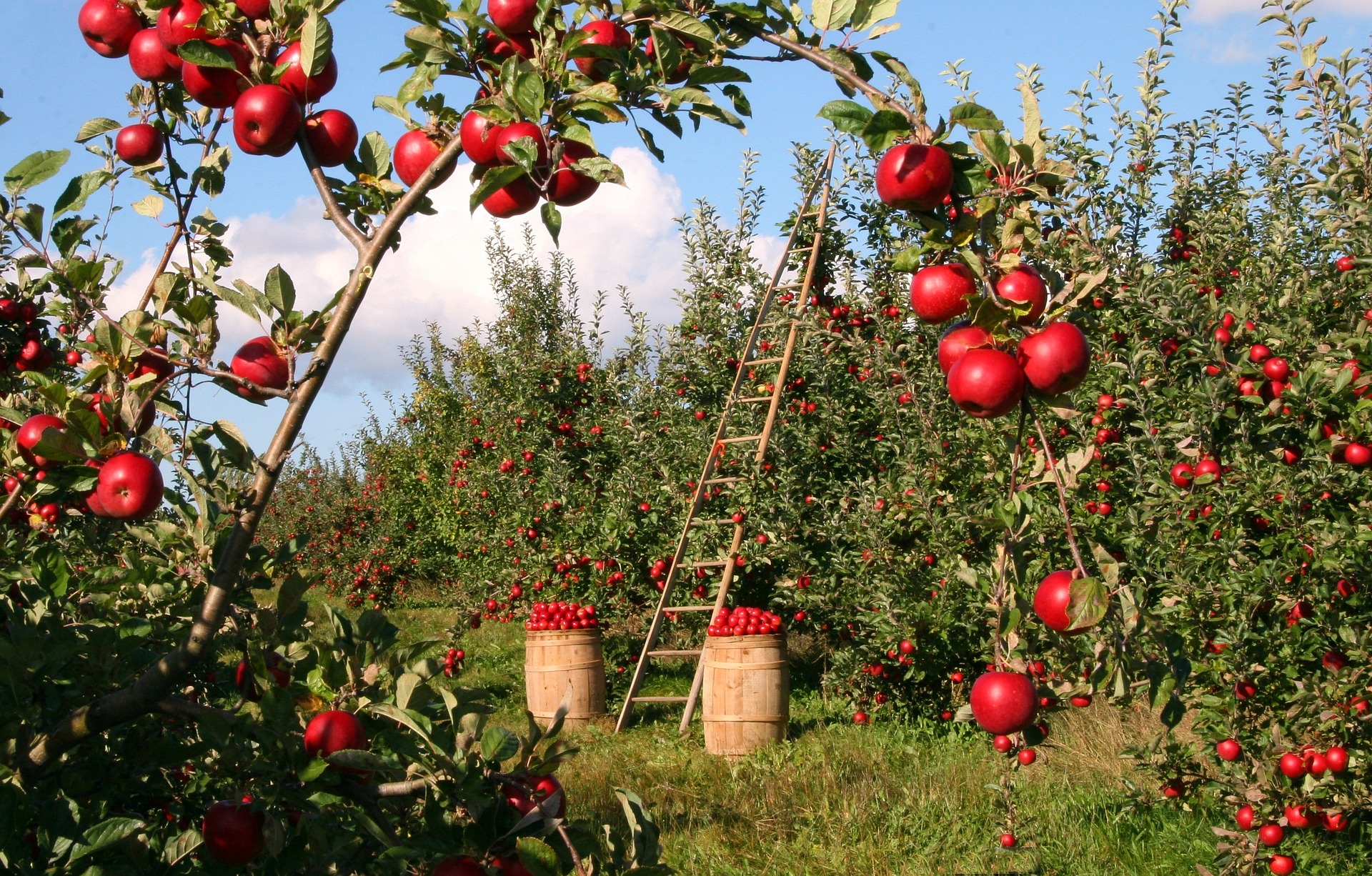
- Apples
- Peaches
- Nectarines
- Grapes
- Strawberries
- Cherries
- Potatoes
- Lettuce
- Tomatoes (commercial)
These are the “Dirty Dozen” for a reason.
Organic versions are sprayed too — just with different chemicals.
Why This Matters
People deserve to know the truth:
-
Organic doesn’t mean untouched.
-
Organic doesn’t mean chemical‑free.
-
Organic doesn’t mean nutrient‑dense.
-
Organic doesn’t mean safer for babies.
And the foods that actually are naturally clean — blueberries, figs, mulberries, persimmons — are rarely marketed that way.
This community deserves real information, not marketing slogans.
The Bottom Line
If you want produce that’s truly low‑spray or no‑spray, don’t chase the “organic” label.
Chase the crop type.
Some plants simply don’t need much help. Others need constant intervention — organic or not.
And once people understand that, they can shop smarter, grow smarter, and stop falling for the “organic = pure” myth.
-Despina Manos
© 2026 Despina / The Taverna Shoppe, a Division of Express Document & Manos Books. All rights reserved.